Russian forces begin mass deployment of fiber-optic drones on the frontline
Russian military units have stepped up the deployment of «Molniya» unmanned aerial vehicles controlled via fiber-optic cables. Experts warn these drones are immune to traditional electronic warfare.
 🛡️Security
Photo: UNIAN
Key points
- Russia has increased the use of fiber-optic guided drones.
- The operational range reaches up to 30 km behind the frontline.
- These drones are immune to standard electronic warfare countermeasures.
Over the past few days, Russian forces have expanded the use of a new tactic across various sections of the frontline, actively deploying «Molniya» drones guided by fiber-optic cables. The information was shared by Serhii Beskrestnov, an advisor to the Ukrainian president on defense technology development.
Key features and threats of fiber-optic drones
According to military specialists, these drones operate at altitudes of around 50 meters and can penetrate up to 30 kilometers behind Ukrainian lines. The primary danger stems from the complete absence of a radio signal, rendering standard electronic warfare (EW) systems ineffective against them.
Furthermore, the fiber-optic link provides high-resolution imaging, allowing operators to conduct reconnaissance during flight. The low altitude also creates significant difficulties for radar stations attempting to detect and track these threats.
Adapting to new challenges
Experts note that initial attempts to use fiber-optic guidance were recorded a year ago, but widespread deployment has only recently begun. Despite the technical challenges posed by the lack of radio emissions, Ukrainian crews have demonstrated success in identifying and downing such systems.
The ongoing adaptation on the battlefield highlights the rapid technological evolution of modern warfare, requiring continuous updates to defense strategies.
The introduction of fiber-optic controlled drones presents a significant tactical challenge, bypassing conventional electronic jamming techniques. For communities across Ukraine, including regional hubs like Varash, such developments underscore the persistent nature of wartime technological shifts and the critical need for advanced air defense adaptation. While these specific drones target frontline and near-rear areas, the broader trend emphasizes the importance of supporting defense innovation to counter emerging aerial threats effectively.Source UNIAN — unian.ua/weapons/droni-rf-molniya-stali-nebezpechnishimi-flesh-rozk… ↗
Read next
 🏛️Politics
Volodymyr Zelenskyy expresses doubts over US interpretation of 'security guarantees'
The President of Ukraine highlighted a lack of shared understanding with the US regarding security guarantee mechanisms based on the NATO Article 5 model.
 🧠AI Analysis
Donald Tusk responds to Donald Trump's remarks about 'friendship' with Putin
The Polish Prime Minister publicly criticized the US President's statements, emphasizing that the Russian leader is not an ally to Europe.
 👥Society
Utility Costs for Ukrainians in Germany: A Personal Account
A Ukrainian living in Germany shared details about her monthly housing expenses and the specifics of the German billing system.
 ⚽Sport
Ukrainian world boxing champion Kira Makohonenko rejects offer to represent the USA
18-year-old junior world boxing champion Kira Makohonenko has declined an offer to change her sports citizenship to American, choosing to continue her career representing…
 💼Economy
Ukraine Accelerates Emissions Trading System Implementation for EU Integration
The European Commission has pledged to fast-track the review of Ukraine's emissions trading bill, a vital step for the country's economic modernization.
 🚌Transport
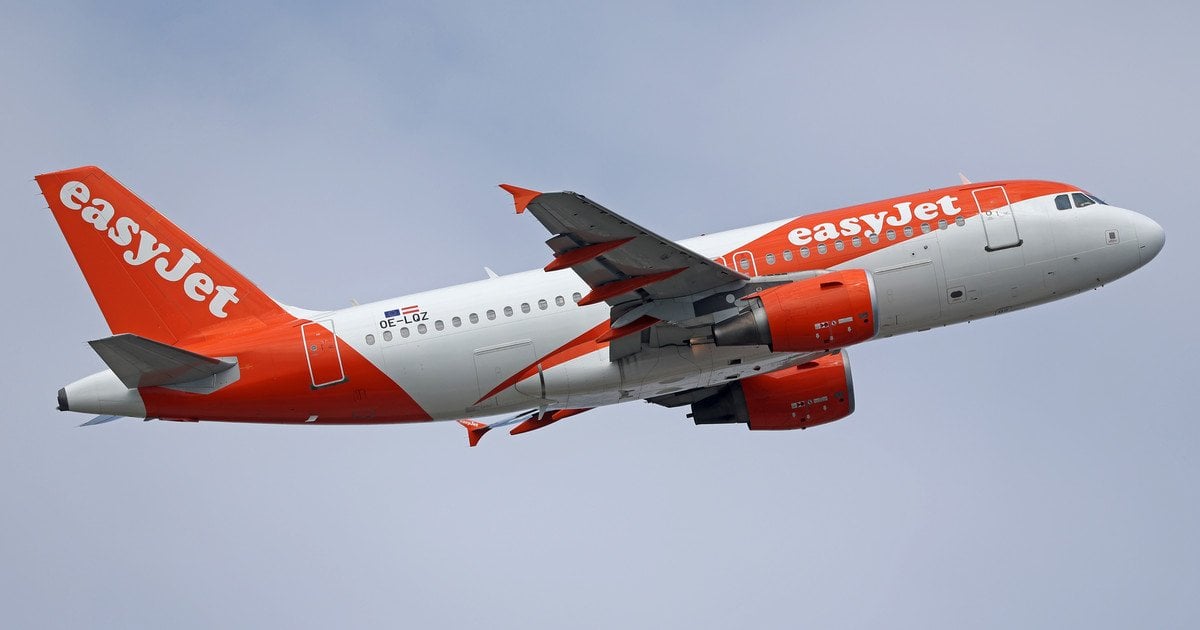
EasyJet Flight Forced into Emergency Landing After Bird Strike Over Bristol
An Airbus heading to Edinburgh returned to its departure point minutes after takeoff following a collision with a bird and a distress signal.