Russian Strategic Aviation Nears Exhaustion Due to Technological Deficits, Experts Say
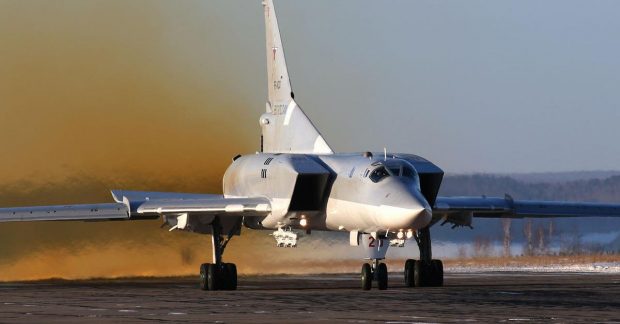
Russia faces critical limitations in maintaining and producing military aircraft due to the loss of Soviet-era technologies.
 🚌Transport
Photo: UNIAN
Key points
- Loss of Soviet manufacturing cycles and specialized metallurgy in Russia
- Heavy reliance on legacy stockpiles and aircraft cannibalization
- Severe bottlenecks in producing strategic bomber engines
- Long-term constraints on Russia's capacity for large-scale air strikes
The Russian Federation is losing its ability to maintain and restore its fleet of strategic and long-range aircraft due to deep technological and industrial constraints. According to Anatoliy Khrapchynskyi, a defense enterprise development director and reserve officer of the Ukrainian Air Force, Russia's modern military-industrial complex is unable to establish full-scale serial production of heavy bombers and their engines.
Technological Deadlock and Engine Shortages
The expert emphasizes that Soviet strategic aviation relied on a vast cooperative network with unique metallurgy and machine tools, much of which has now been lost. The current capability of the Russian aviation fleet heavily depends on warehouse reserves and the cannibalization of older airframes. Specifically, the situation remains critical regarding the NK-12MP turboprop engines for Tu-95MS bombers and NK-25 engines for Tu-22MS, which Russia cannot adequately reproduce.
Difficulties also plague newer projects, such as completing Tu-160M airframes in Kazan. Attempts to replicate complex manufacturing processes, like vacuum electron-beam welding of titanium parts, face severe competency gaps and high defect rates. Additionally, infrastructure strikes in Taganrog have disrupted logistical chains crucial for repairing long-range aircraft and radar platforms.
Implications for Regional Security
For residents of towns like Varash, who experience the constant threat of aerial attacks, these developments reflect broader trends in the security landscape. The gradual depletion of cruise missile carriers and early warning aircraft will eventually constrain the aggressor's capacity for massive bombardments. However, analysts caution against illusions of an immediate end, as Russia continues to squeeze the remaining resource out of its existing fleet.
"Russians desperately need cruise missile carriers and heavy supersonic weapons – they would churn them out in three shifts if they could," Khrapchynskyi noted.
Ultimately, while the mathematics of war works against the aggressor, the situation still demands unwavering vigilance and continuous support for Ukraine's air defense systems.
Source UNIAN — unian.ua/weapons/rosiya-maye-obmezheni-mozhlivosti-vidnovlyuvati-st… ↗
Read next
 🧠AI Analysis
Orbit Threat: Western Intelligence Warns of Russian Plans to Place Nuclear Weapons in Space
Leading Western intelligence agencies report a high probability that Russia will launch a satellite with a nuclear warhead into low Earth orbit in the coming weeks.
 🏙️City
Snow and Daytime Frost: What Residents of Varash and Western Ukraine Should Expect This Week
Ukrmedcenter forecasters predict unstable weather across Ukraine featuring snowfalls, rain, and daytime sub-zero temperatures. Western regions face slippery roads, temper…
 🛡️Security
Jet-powered Geran-5 and Geran-6 drones: Experts evaluate threats from new modifications
Russian forces have begun deploying new jet-powered drone modifications that significantly exceed standard UAVs in speed and destructive potential.
Rivne Drama Theater to Premiere Play "Sasha, Take Out the Trash"
The Rivne Regional Music and Drama Theater will stage the premiere of Natalya Vorozhbyt's play on December 11 as part of its new theatrical season.
 🛡️Security
Cyprus expels two Russian diplomats over espionage suspicions
Cyprus has expelled two Russian diplomats suspected of gathering classified information and attempting to bypass EU sanctions.
 🛡️Security
Power supply restored in Sarny district following enemy attack
Electricity has been restored in the Rivne region after a November 20 attack left over 50 settlements in the Sarny district without power.