Powering Through the Night: How Morocco’s Giant Solar Complex Generates Energy After Sunset
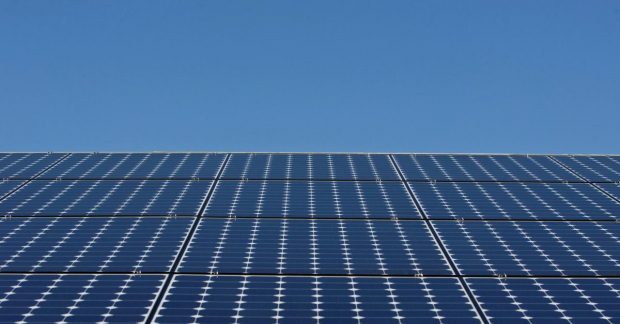
Morocco's 580 MW Noor solar complex uses innovative thermal storage technologies to continue generating electricity even after dark, supplying over a million people.
 💡Tech
Photo: UNIAN
Key points
- The 580 MW Noor solar complex generates electricity for over 1 million people.
- Noor III uses a 250m tower and molten salt storage to deliver 7 hours of post-sunset energy.
- Morocco has raised its renewable energy share to nearly 44% of total capacity.
Located near the city of Ouarzazate in Morocco, the Noor solar complex has been operating for nearly a decade as one of the largest solar power generation facilities in the world. With an installed capacity of 580 megawatts, the facility supplies electricity to more than one million consumers. Built by Saudi company ACWA Power, the project was developed with over $3 billion in international funding.
Unlike conventional photovoltaic installations that cease power generation once the sun sets, Noor utilizes thermal storage systems to accumulate heat during the day and generate power well into the night.
Four Plants and Cutting-Edge Storage
The facility consists of four separate power stations using different generation technologies:
- Noor I: a 160 MW parabolic trough plant launched in 2016;
- Noor II: a 200 MW parabolic trough installation with heat storage;
- Noor III: a 150 MW solar power tower reaching approximately 250 meters in height;
- Noor IV: a 70 MW photovoltaic facility.
The centerpiece of the complex is Noor III. Thousands of tracking mirrors, known as heliostats, direct sunlight onto a receiver located at the top of the 250-meter tower. The captured heat is stored in molten salts, which are subsequently used to generate steam and drive electricity turbines. This thermal storage system allows the plant to continue output for around seven hours after dusk.
Building Energy Independence
The development of the Noor complex was driven by Morocco’s lack of domestic oil and natural gas, which previously forced the nation to import 95% of its primary energy needs. By leveraging its exceptional solar radiation resources, Morocco has raised the share of renewables in its installed power capacity to nearly 44%.
Source UNIAN — unian.ua/economics/energetics/sonyachna-elektrostanciya-v-marokko-y… ↗
Read next
 🚨Events
Two Teenagers Hospitalized After Motorcycle Crash into Guardrail in Rivne Region
A 16-year-old unlicensed driver and his passenger sustained serious injuries after their motorcycle struck a guardrail in Dubrovytsia.
 🛡️Security
Reasons behind delays in protecting Kyiv region energy facilities explained
The construction of protective structures for energy facilities in the Kyiv region faced significant delays due to underfunding, labor shortages from mobilization, and co…
Road works in Rivne: what drivers should consider when travelling
Municipal and road services in Rivne have launched works across several city streets, which may cause temporary traffic slowdowns.
 🧠AI Analysis
US Congress Shift: What Election Results Mean for Ukraine and Communities
The Democratic majority in both chambers of the US Congress creates new opportunities for oversight and assistance to Ukraine, requiring careful bipartisan cooperation.
 🛡️Security
Russian Strike on Dymer Kills 11, Search for Missing Continues
A Russian drone strike on a residential apartment building in Dymer, Kyiv region, has killed 11 people, with two others still missing. Rescue operations were repeatedly s…
 🇺🇦Ukraine
Nuclear Threat from Space: Western Intelligence Warns of Russia's Orbital Weapon Plans
Western intelligence agencies report that Russia plans to deploy a nuclear-armed satellite into orbit as early as 2024.